Summit Music Festival
Connects 80,000
Attendees on Open Ground
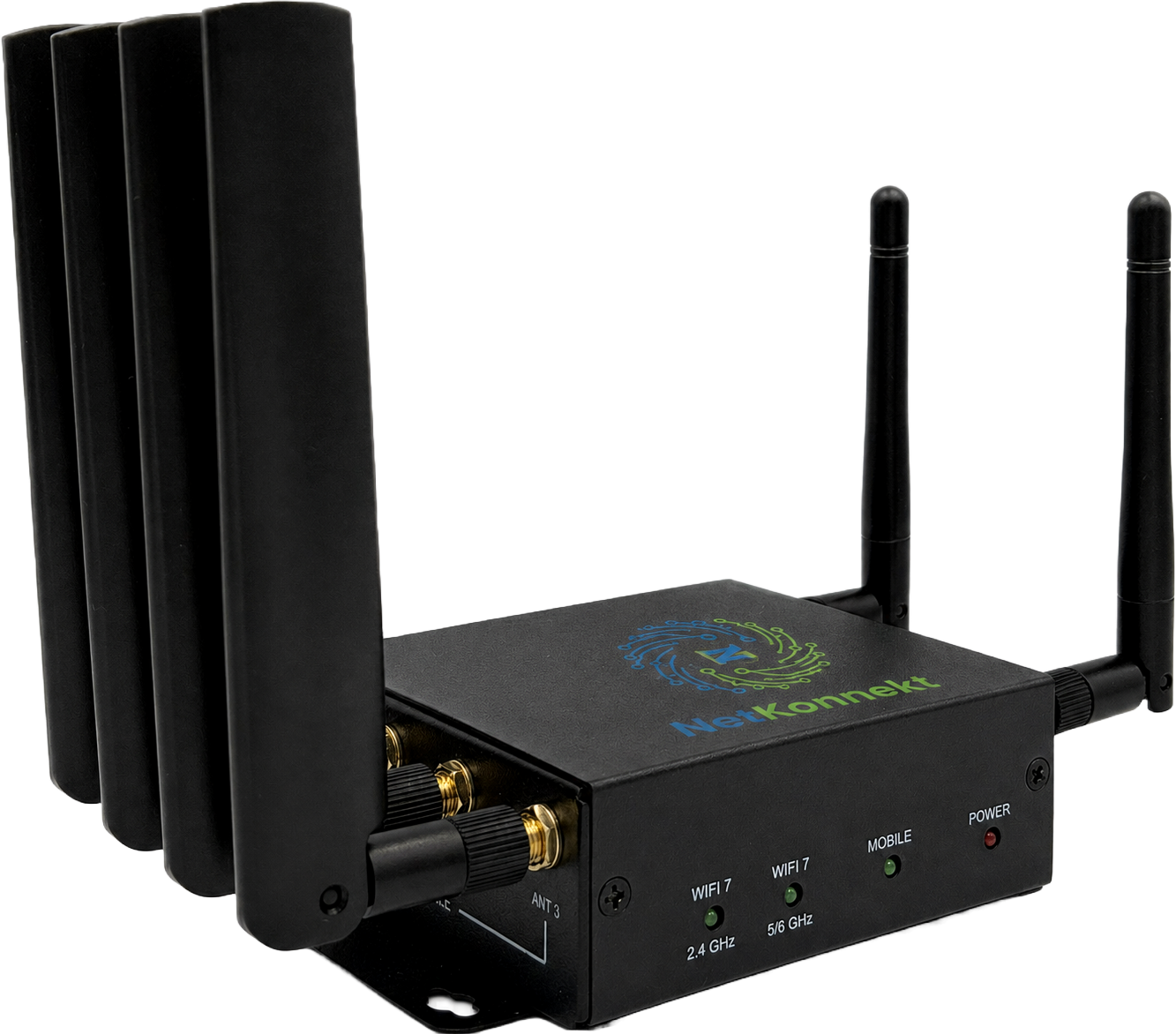
A three-day festival on a 320-acre greenfield site replaced rented tower infrastructure with sixteen NK R700 gateways anchoring the main zones and forty-two NK R400 routers covering vendor stalls, gates and staff pods — a temporary network built in a morning and torn down in an afternoon.
Customer at a Glance
The Challenge
A Full Network, Built and Removed in a Week
Summit Music Festival runs for three days each year on a 320-acre greenfield site outside Austin. There is no permanent network on the ground — no fibre, no structured cabling, nothing to fall back on. Every year the production team builds an event-grade network from nothing, runs it hard for a long weekend, then takes it all away again.
Previous years leaned on rented cellular booster towers plus temporary ISP drops at the main compounds. The setup worked, but it was expensive, took most of a week to stage, and concentrated risk: when a shared uplink degraded during the evening peak, everything hanging off it degraded at once. Card readers in the vendor villages were usually the first thing to go, which is also the most visible thing to go when 25,000 people are queuing for food between sets.
The technology director’s brief for this year was practical rather than ambitious: fewer shared points of failure, a setup the in-house crew could handle without contract engineers, and some way of seeing the whole site’s status without walking it.
Rented tower infrastructure needing roughly a week of staging before gates opened
Shared uplinks concentrating risk — one degraded link affecting several zones at once
Vendor card readers timing out during the evening peak, the busiest trading hours of the day
No single view of site status — problems were reported by radio, after attendees had already noticed
The Solution
R700 Anchors, R400 Edge Nodes
The network was split into fourteen zones, each standing on its own rather than sharing a single uplink. Sixteen NK R700 gateways anchored the zones carrying the heaviest and most time-sensitive traffic — main stage production, the broadcast compound, the operations tent and the two largest vendor villages. Dual-SIM failover meant each anchor could hold two carriers at once and move between them without anyone noticing.
Forty-two NK R400 routers covered everything lighter: ticket scan gates, satellite bars, merchandise stalls, medical points and staff pods. RedCap is a deliberate fit here — those endpoints are card readers and scan guns, not video, and the R400’s smaller power draw mattered on a site running from generators and battery carts.
Zone Plan & Carrier Check
The site was walked ahead of build week and signal measured at each proposed zone, so carrier choice per anchor was settled before any hardware shipped. Zones were drawn to keep vendor and ticketing traffic off the same uplink as production.
Pre-Configured Units
All 58 units arrived labelled by zone with SIMs fitted, SSIDs set and QoS already applied — payments and ticketing prioritised over guest and staff browsing. Crew placed units against a zone map rather than configuring anything on site.
Build in a Morning
The eight-person crew placed and powered the full set in a single morning two days before gates. The remaining day was spent testing with vendors and the broadcast team rather than chasing infrastructure.
One Dashboard for the Site
Every unit was enrolled in NetKonnekt’s management portal, so signal quality, throughput and reachability for all fourteen zones were visible from one browser tab — including from the production office during show hours.
Before vs. After
What Actually Changed
- Roughly a week of staging before gates opened
- Shared uplinks — one degraded link affected several zones
- Card reader timeouts during the evening peak
- Site status reported by radio, after the fact
- Contract engineers needed on site for build and teardown
- Teardown spread across several days
- Full build placed in a single morning
- Fourteen independent zones, no shared uplink
- No zone-wide outage across the three days
- Whole-site status visible in one dashboard
- In-house crew handled build without contract engineers
- Teardown completed in an afternoon
How the Weekend Ran
Independent Zones
Each zone stood on its own uplink, so a problem in one vendor village stayed in that village
Build Window
All 58 units placed and powered in a single morning, against roughly a week of tower staging before
Units Deployed
Sixteen NK R700 anchors on the heavy zones, forty-two NK R400 routers across the lighter edge
Zone-Wide Outages
No zone lost service across the three days; individual unit swaps were handled without affecting a zone
The part that mattered to me wasn’t the speed, it was that the zones stopped taking each other down. We had one unit misbehave in a bar zone on Saturday and it stayed a bar-zone problem. My crew put the whole site in before lunch, and I could see all of it from the production office instead of walking 320 acres with a radio.
Planning an Event?
Let’s Talk Through the Site
Festival, arena, conference or a one-weekend pop-up — we can help you plan zones, carriers and hardware counts before you commit to anything. Start with a walkthrough of your site.